Fibre per 100g
28g
9.3× plain flour · 2.8× wholemeal flour

Next-generation food ingredients
We help manufacturers make everyday foods more nutritious.
Our first product, Fermented Grain Flour, brings more fibre and protein to bakery and snack products. Made by fermenting grains before milling.

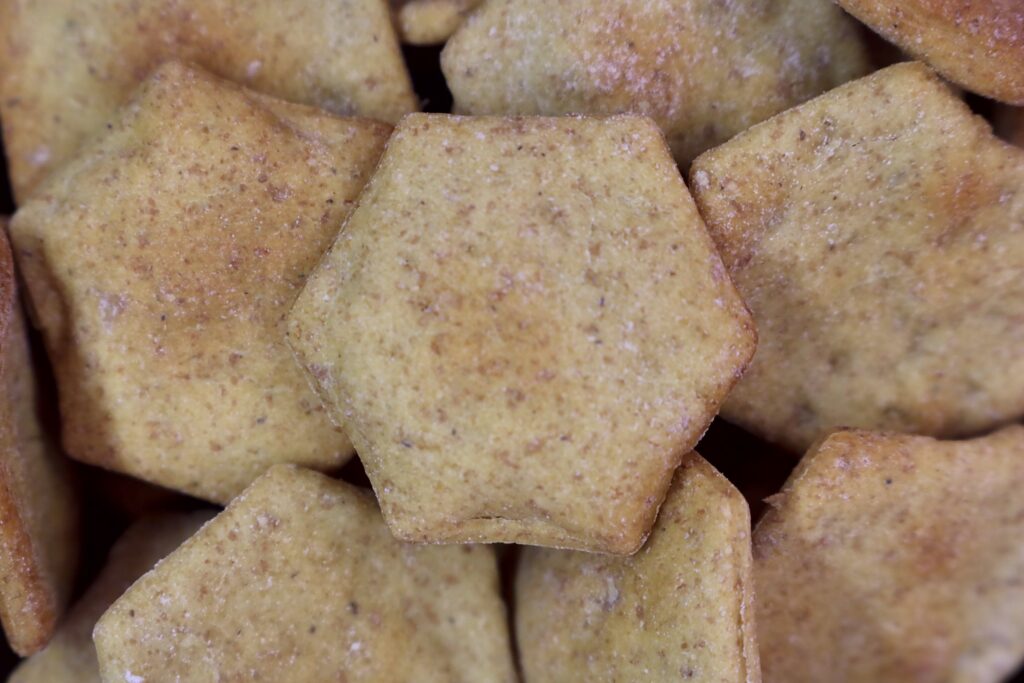
Nutrition built in.
Not bolted on.
The nutrition
Our Fermented Grain Flour has a remarkably high fibre content compared with conventional wheat-based flours: 28g of fibre and 16g of protein per 100g.
It brings more nutrition, especially to bakery and snack products.
28g
9.3× plain flour · 2.8× wholemeal flour
16g
2.3× plain flour · 1.5× wholemeal flour
Comparisons are per 100g of flour, based on supplied nutritional figures.
Applications
Explore how Fermented Grain Flour can add fibre and protein to popular bakery and snack products, with techno-functional properties similar to wheat flour.
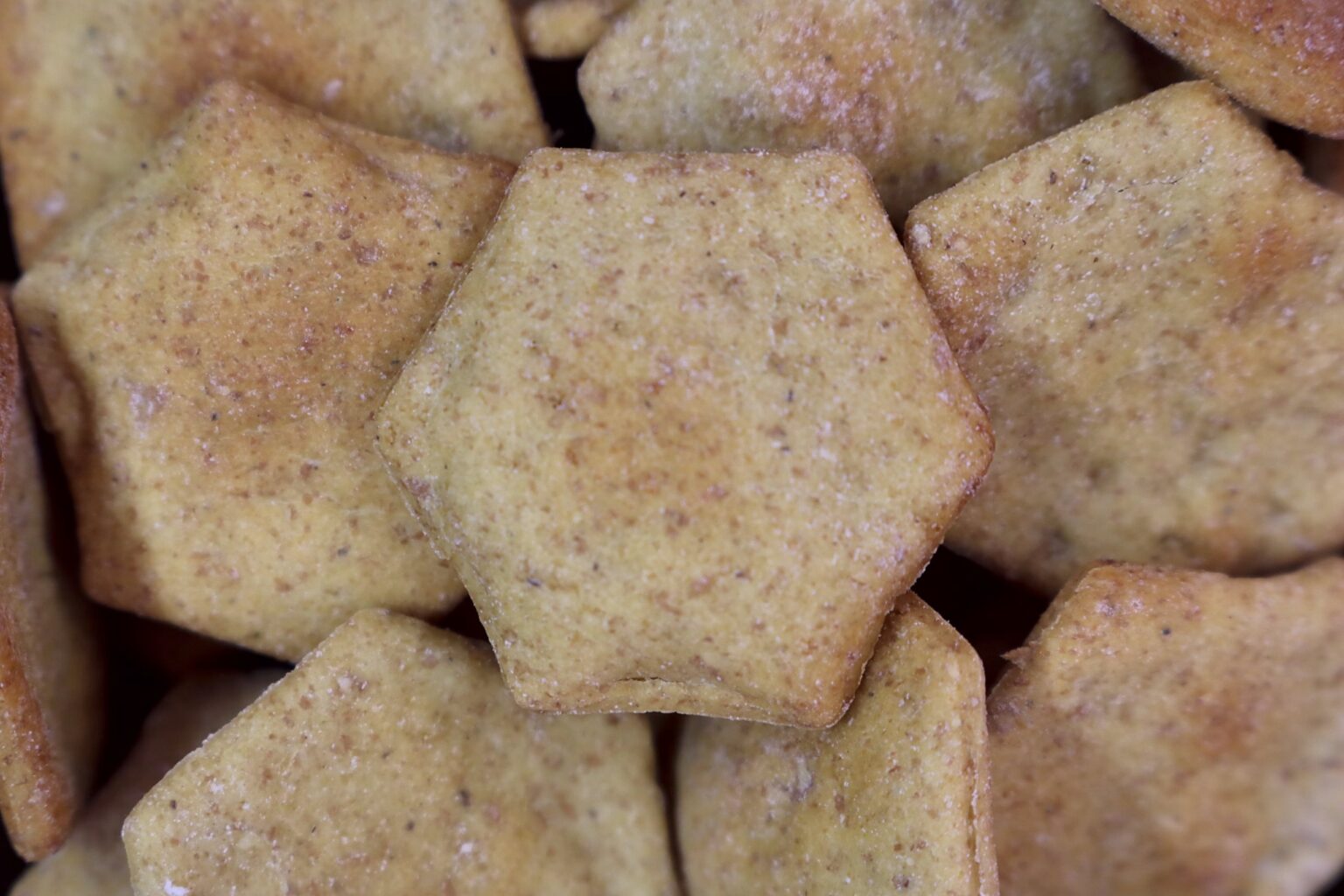
30% Fermented Grain Flour + 70% plain flour
+83%fibre
+8%protein
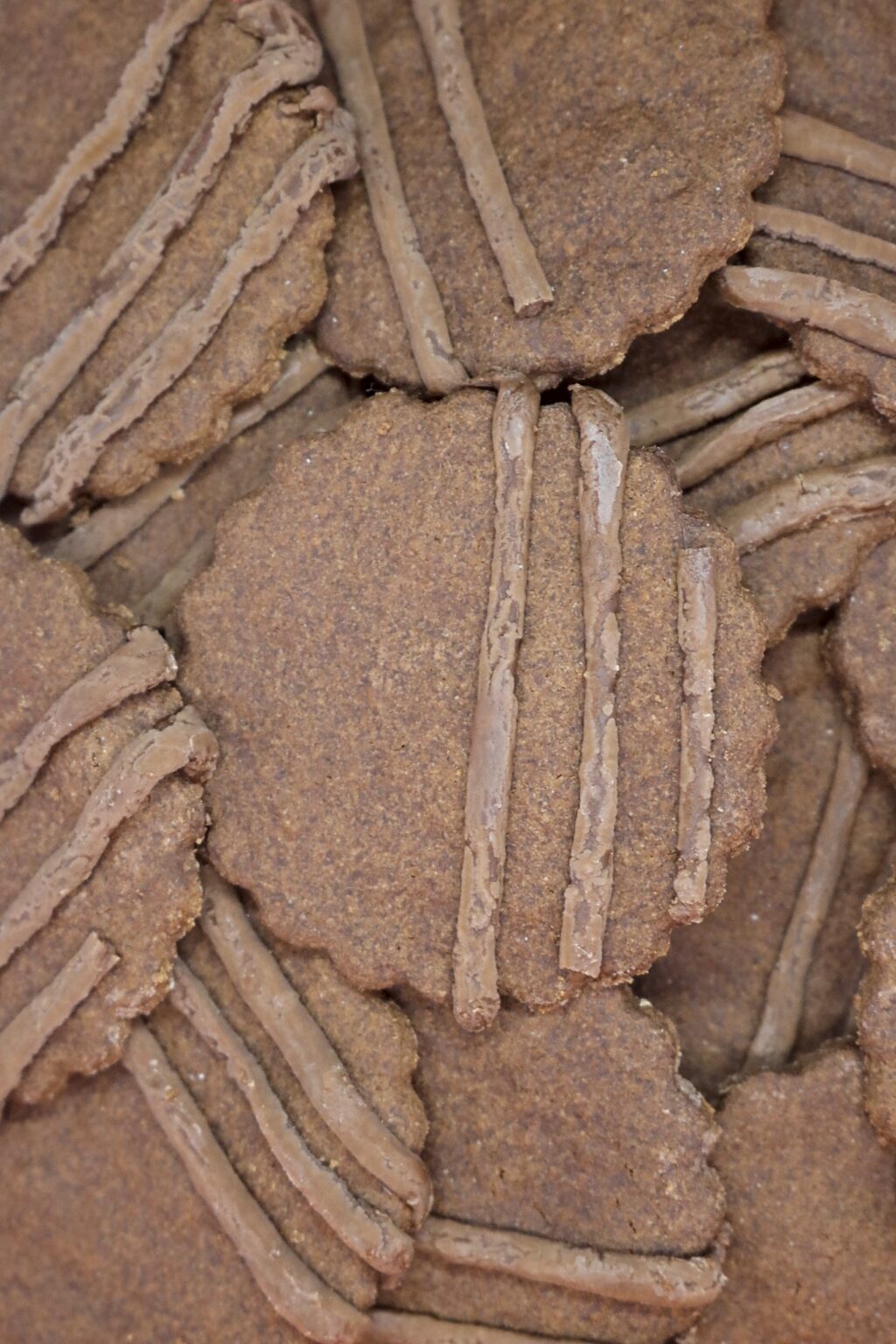
25% Fermented Grain Flour + 75% plain flour
+66%fibre
+10%protein
Nutritional increases compared with equivalent control recipes made using 100% plain flour. Results from specific formulation trials.
Our process
We use solid-state fermentation to transform grains into nutrient-dense flour.
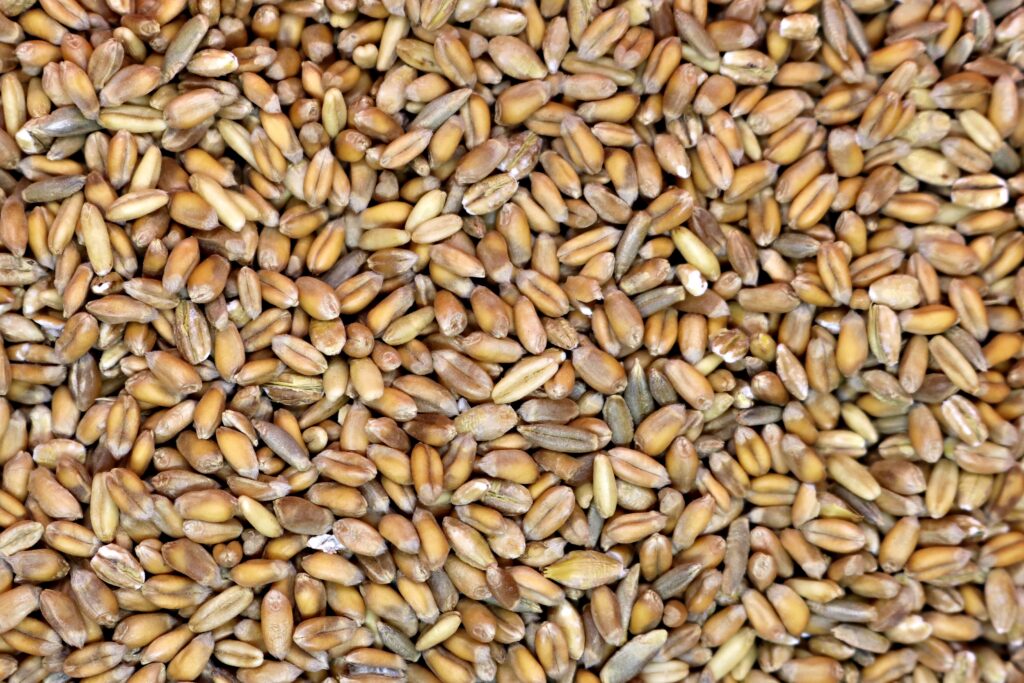
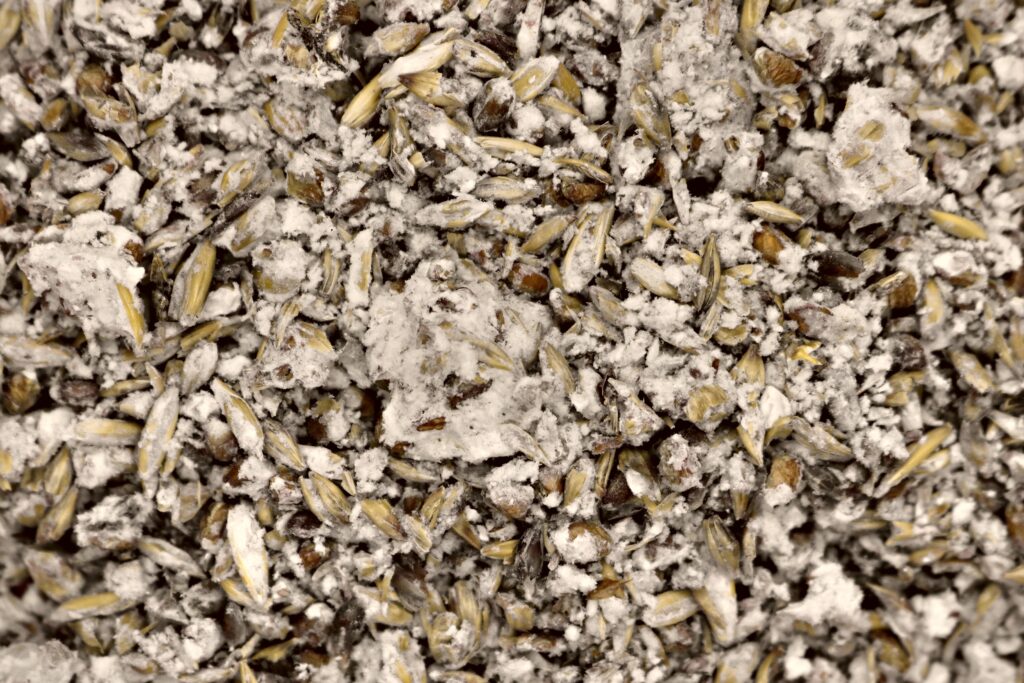
Ingredients: Wheat · Brewers’ spent grain · Water · Fermentation culture
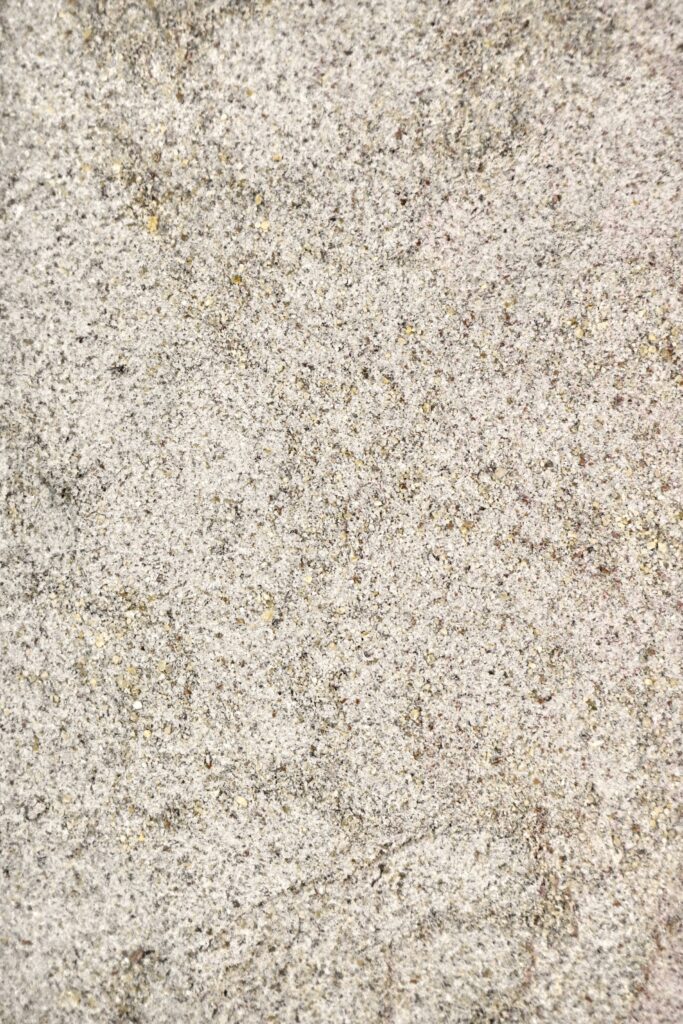
Fermented Grain Flour is a nutrient-dense flour made by fermenting grains before milling. It contains 28g fibre and 16g protein per 100g.
Our Fermented Grain Flour has a remarkably high fibre content compared with other wheat-based flours, while also providing more protein. Unlike conventional flour, the grains undergo solid-state fermentation before milling.
Solid-state fermentation is a process in which food-grade microorganisms grow on moist solid ingredients, such as grains, rather than in liquid. We ferment the grains first, then dry and mill them into flour.
Wheat, brewers’ spent grain, water and fermentation culture. The flour contains gluten.
Blend it with wheat flour in existing bakery and snack formulations. Typical inclusion rates range from 10% to 40%, depending on the formulation and your product objectives.
It suits a wide range of bakery and snack products that don’t need high gluten strength or a very white crumb. Examples include crackers, crispbreads, flatbreads, biscuits, cookies, energy bars, muffins, cakes, pancakes and waffles.
In our trials, savoury crackers containing 30% Fermented Grain Flour had 83% more fibre and 8% more protein, while chocolate biscuits containing 25% had 66% more fibre and 10% more protein. Both were compared with equivalent controls made using 100% plain flour.
Increasing fibre and protein may improve a product’s nutritional profile. However, HFSS classification depends on the finished product’s composition and the applicable nutrient profiling rules. Each formulation needs its own assessment.
Email chat@fibrefolks.co.uk with your company name and the product you’d like to develop.
Let’s get started
Interested in using Fermented Grain Flour in your bakery or snack products? Tell us what you’re working on.